Can a Minibus Use a Bus Lane in the UK? A Complete Guide
Navigating UK roads can be complex, especially when it comes to traffic rules that seem to have countless exceptions. One of the most common points of confusion for drivers, community groups, and businesses is the question: can minibuses use bus lanes? The simple answer is, it depends. Many drivers assume a minibus is just a smaller bus, but the reality is far more nuanced.
Using a bus lane incorrectly can lead to hefty fines and unnecessary stress. This guide will clarify the UK bus lane rules, explain the crucial differences in vehicle classification, and help you understand when a minibus is permitted to use these restricted lanes. We will cover everything from signage and vehicle definitions to council-specific regulations, ensuring you have all the information needed to travel legally and confidently.
Understanding Bus Lane Signage & PCV Definitions
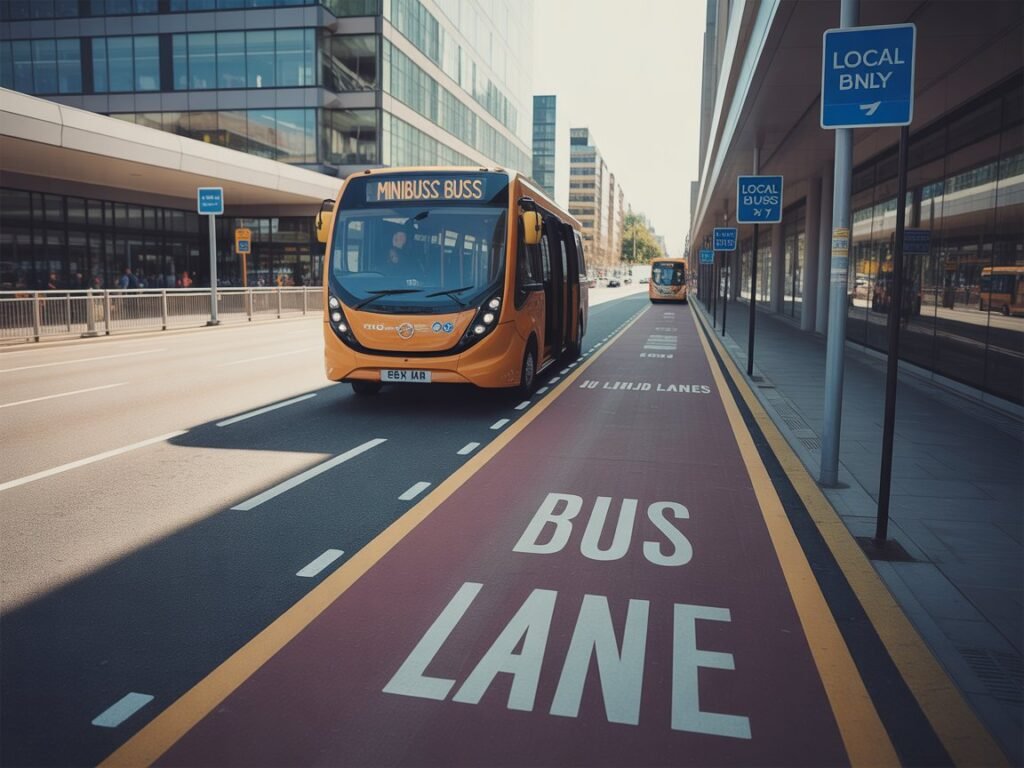
Before we determine if a minibus can use a bus lane, it’s essential to understand what these lanes are for and how to interpret the signs. Bus lanes are designed to improve public transport efficiency, reduce congestion, and ensure services run on time. They are marked by a solid white line and clear signage.
Reading the Signs
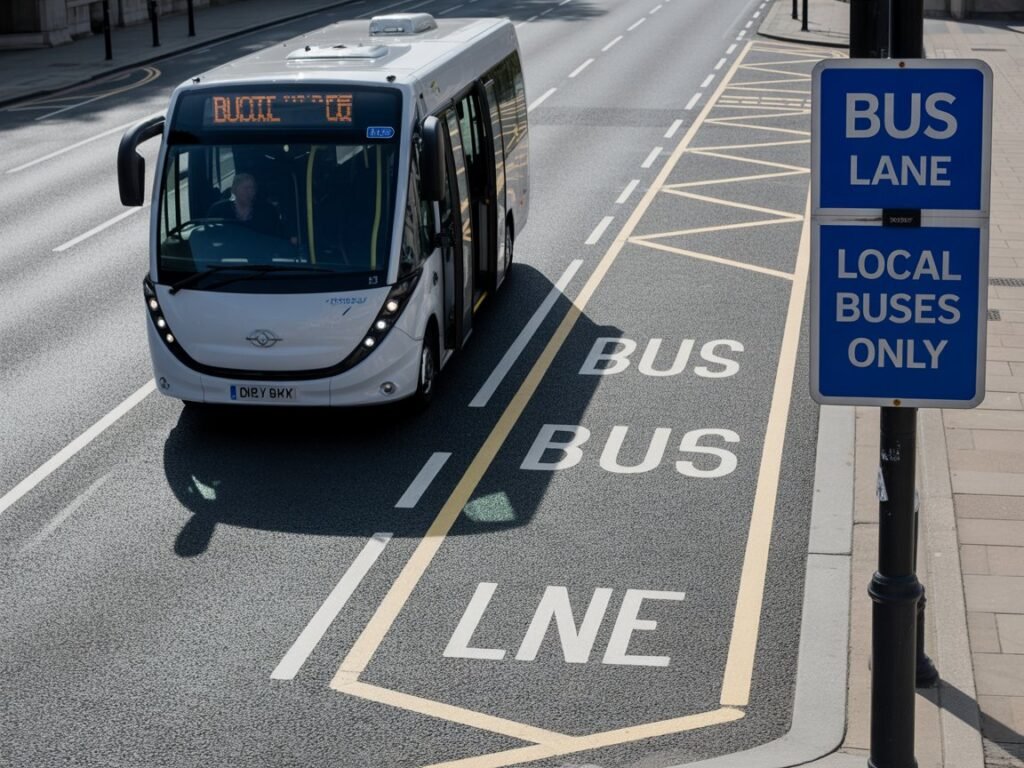
The key to compliance is the blue rectangular sign displayed at the start of every bus lane. This sign indicates the lane’s operational hours and which vehicles are permitted. You will typically see a symbol of a bus, but other symbols for cycles or taxis may also be included.
- “Bus Lane” or a Bus Symbol: This generally refers to local service buses, which are public transport vehicles running on a fixed schedule.
- “Local Buses Only”: This is more restrictive and explicitly limits access to registered local bus services.
- Additional Symbols: The sign might also feature symbols for motorcycles, licensed taxis (black cabs), and cycles, granting them access.
Crucially, unless the sign explicitly shows a minibus symbol or includes the word “Minibus,” you should assume your minibus is not allowed.
What is a PCV? The DVLA Passenger Vehicle Definition
The term that often causes confusion is PCV, which stands for Passenger Carrying Vehicle. According to the DVLA, a minibus is a vehicle designed to carry between 9 and 16 passengers. However, simply being a minibus does not automatically grant it the same rights as a bus.
The critical distinction is the minibus vs bus classification for licensing and operational purposes. A “bus” in the context of bus lane rules usually refers to a vehicle with more than 16 passenger seats or a smaller vehicle operating as a registered local service. A minibus falls into a different PCV licence category and often requires specific permits or licensing to access bus lanes.
When Are Minibuses Allowed in Bus Lanes?
So, can minibuses use bus lanes under certain conditions? Yes, but only in specific circumstances. A minibus is generally permitted in a bus lane if it meets one of the following criteria.
1. It is a Licensed PCV Operating as a Public Bus Service
If a minibus is used as part of a registered local bus service (a timetabled route available to the public), it is functionally a bus. These vehicles are allowed in bus lanes just like their larger counterparts. This is common in rural areas or on less busy routes where a full-sized bus isn’t economical.
2. The Bus Lane Signage Explicitly Permits Minibuses
Some local councils recognise the role of minibuses in community and accessible transport and explicitly permit them. If the blue sign at the start of the bus lane includes a pictogram of a minibus or the text “Minibuses,” then you are legally allowed to use it during its operational hours. This is the clearest and most straightforward permission you can get.
3. Operating Under a Section 19 or Section 22 Permit
Community transport services often operate under special permits. These permits allow non-profit organisations like schools, charities, or religious groups to provide transport services without needing a full PCV operator’s licence.
- Section 19 Permit: For non-profit organisations providing transport for their members (e.g., a school minibus for trips, a charity taking elderly members to appointments).
- Section 22 Permit: For community bus services that are available to the general public in a specific local area.
In many regions, minibuses operating under these permits are granted access to bus lanes. However, this is not a universal rule and depends entirely on local traffic regulations.
When Are Minibuses Restricted from Bus Lanes?
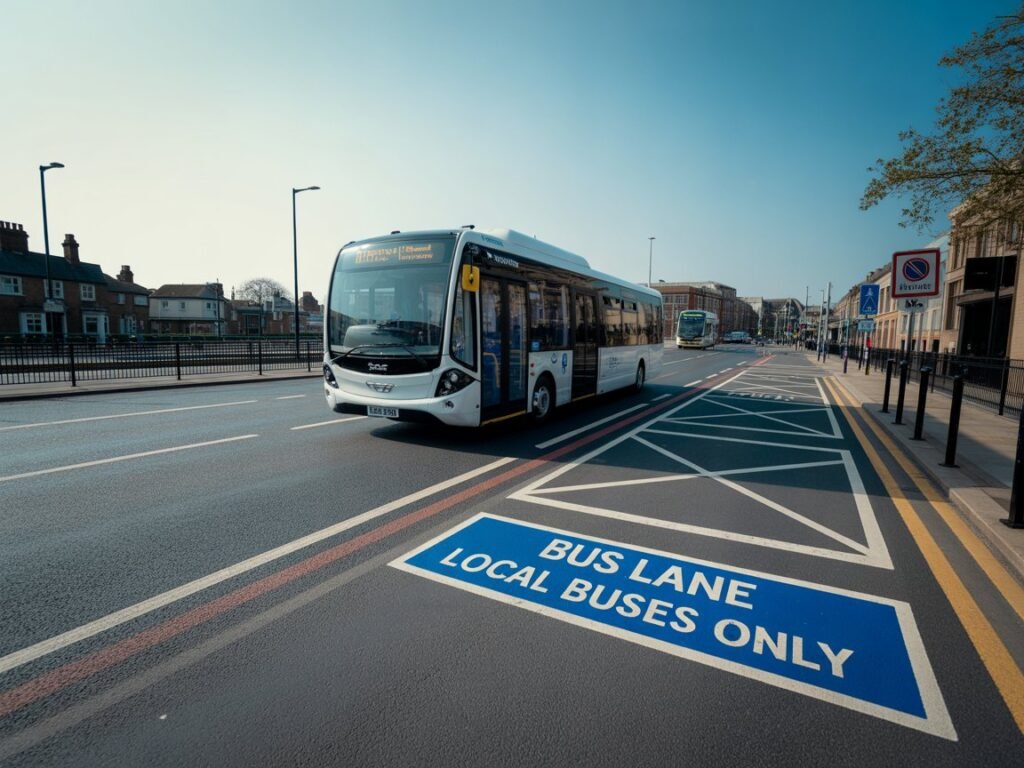
The default position is that most minibuses are not allowed in bus lanes. If your minibus doesn’t fit into the categories above, you must stay out of the bus lane to avoid a penalty.
Are minibuses allowed in bus lanes if they are for private or corporate use? The answer is almost always no. This includes:
- Private Minibuses: A minibus you own for personal use, such as for a large family.
- Self-Drive Hire: A minibus hired for a day trip, stag/hen do, or holiday.
- Corporate Shuttles: A minibus used by a company to transport employees, unless it’s registered as a local bus service.
- Airport Transfers: Private hire minibuses, like those used for airport runs, are typically not permitted unless the local council has made an exception.
The logic is that these journeys are classified as private transport, not public. Bus lanes are reserved to benefit scheduled, public services, and allowing all minibuses would defeat their purpose.
Council-Specific Rules: Local Traffic Regulations Matter
A major source of confusion is that UK bus lane rules are not set nationally. Each local council has the authority to decide who can use their bus lanes. What is permissible in London may be illegal in Manchester, and different again in Birmingham.
For example, Transport for London (TfL) has specific rules about which vehicles can access their “red route” bus lanes. While some community transport minibuses may be allowed, private hire vehicles are not. Other councils may have different stipulations based on their local transport strategies.
Because of this variation, the single most important action a driver can take is to read the signs. The blue sign at the start of the lane is your legally binding guide. Never assume the rules are the same from one town to the next.
Penalties for Misuse: Bus Lane Fines and Enforcement
Local councils use automatic number plate recognition (ANPR) cameras for bus lane enforcement. These cameras record the registration of every vehicle that enters the lane during its hours of operation. If a vehicle is not on the approved list, a Penalty Charge Notice (PCN) is automatically issued to the registered owner.
- Typical Fines: Bus lane fines generally range from £70 to £130, though they can be as high as £160 in London.
- Reduced Penalty: Most councils offer a 50% discount if the fine is paid within 14 days.
- Challenging a PCN: If you believe you were wrongly fined (for example, you had to enter the lane to avoid an accident or your vehicle was permitted), you have the right to appeal. The PCN will provide details on how to do this. You may need to provide evidence, such as a copy of your Section 19 permit or a photo of unclear signage.
Conclusion: Travel Smart and Stress-Free
In short, not every minibus can use bus lanes—it depends on the vehicle’s licence type and local rules. Public service vehicles, permitted community transport, and vehicles in areas where signage explicitly allows them are the main exceptions. For all other private, corporate, or standard hire minibuses, the rule is to stay out.
To stay compliant (and stress-free), let our experienced drivers handle the journey. Gatwick Minibus Hire ensures safe, legal, and comfortable group travel across the UK. Our professional drivers are experts in local traffic regulations, so you can relax knowing you’re in safe hands and won’t face any unexpected fines.