16-Seater & 17-Seater Minibus Driving Rules: What Every UK Driver Needs to Know
Are you planning to hire a minibus for a group day out, airport transfer or school trip? The rules for minibus driving in the UK, especially for 16-seater and 17-seater vehicles, often cause confusion. Many people ask, “Can I drive a 16-seater minibus on my car licence?” or “What exactly is required to drive a 17-seater minibus?” The answers depend on several factors, from your driving licence category to the intended use and vehicle weight.
This comprehensive guide explains exactly what licence you need for different minibus sizes, how weight limits and passenger numbers play a role, and what to do if you’re driving for a business, school, or charity. Read on for clear, trustworthy advice tailored for UK motorists.
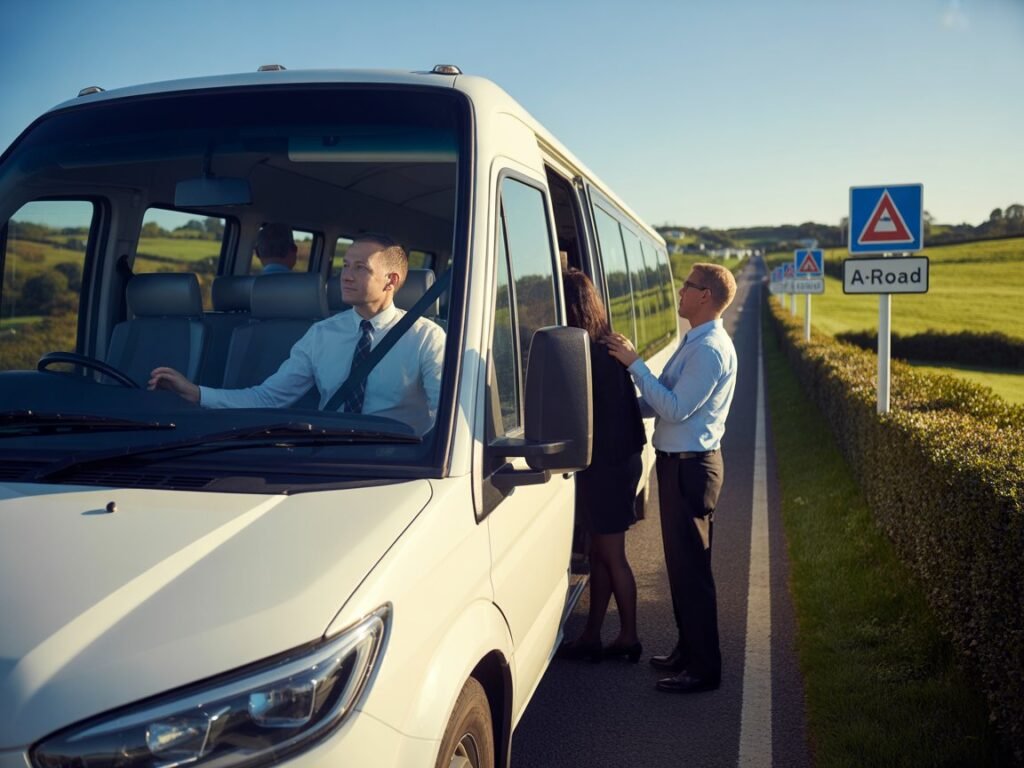
Understanding Minibus Sizes & UK Licence Categories
The number of seats in a minibus directly impacts what you can drive. Your DVLA vehicle entitlement and licence category determine your legal rights behind the wheel. Let’s look at how this works for the most common minibus types.
Standard Car Licence (Category B) – What Can You Drive?
A typical UK Category B licence covers vehicles with up to 8 passenger seats. If you want to drive a minibus with more than 8 seats (such as a 10-seater, 12-seater, 14-seater, 16-seater or 17-seater), extra rules apply. Some drivers may have acquired rights (commonly called ‘grandfather rights’) if they passed their test before 1 January 1997.
You might be allowed to drive a minibus on a standard car licence if you’re driving for non-commercial, voluntary purposes, and if the vehicle is within permissible weight limits. We’ll explain exemptions below.
D1 Minibus Licence – Essential for Larger Passenger Vehicles
A D1 licence gives you the entitlement to drive minibuses with 16–17 passenger seats (plus the driver) and up to 8 metres long. This is usually required for anyone driving a 16-seater minibus for business, hire or reward, or outside of voluntary group transport. Holding a D1 licence after January 1997 means you completed specific minibus training and tests.
PCV (Passenger Carrying Vehicle) Licence – For Buses & Coaches
A full Category D (PCV) licence is typically needed to operate vehicles with more than 16 passenger seats – this is the professional qualification for bus and coach drivers.
How Licence Type Matches with Minibus Size
Here’s a simple breakdown addressing those key questions:
- Can I drive a 10-seater minibus? – Usually requires D1, unless you meet the exemption for non-commercial use.
- Can I drive a 12-seater minibus? – Same as above; D1 needed in most cases.
- Can I drive a 14-seater minibus? – D1 generally required.
- Can I drive a 16 seat minibus / 16-seater minibus? – D1 is necessary for most drivers. Exception applies for some voluntary, non-commercial use cases if you meet all legal conditions.
- Can I drive a 17 seat minibus / 17-seater minibus? – No – you cannot drive a 17-seater minibus on a standard car licence. D1 is required in all scenarios.
Minibus Weight Limit – Know Your Legal Responsibilities
In addition to seating, the vehicle’s weight determines what you can legally drive. For Category B holders using a permit or under an exemption, the maximum minibus weight is 3.5 tonnes (3,500 kg) including passengers and luggage.
If the minibus is fitted with accessibility equipment (such as wheelchair lifts), the maximum permitted weight increases to 4.25 tonnes (4,250 kg). This is relevant for many school and community minibuses. If the vehicle exceeds these limits, only drivers with D1 or higher entitlements can legally drive it.
When Is a D1 or PCV Licence Necessary?
There are clear situations where a D1 or PCV licence is mandatory, and you cannot rely on any exemption:
- Commercial Use or ‘Hire & Reward’: If you are being paid, driving for a business, operating a minibus for a fee, or transporting passengers for profit, you must have a D1 (or full D/PCV) licence.
- Driving a Witnessed 17-Seater: Regardless of circumstance, you cannot use a standard car licence for a 17-seat minibus.
- Taxi or Private Hire Service: You must be appropriately qualified.
- Minibus Over Weight Limit: If a vehicle exceeds 3.5 or 4.25 tonnes (as described above), a D1 is required.
Not sure about your entitlement? Always check your photocard or directly with the DVLA.
School Minibus & Community Transport Rules (Section 19 Permits)
Many schools, charities, and community groups operate minibuses under Section 19 or 22 permits. These permits allow their staff or volunteers to drive minibuses for non-commercial purposes without holding a full PCV operator’s licence.
To drive a minibus under a Section 19 permit on a Category B licence, you must:
- Be 21+, and have held your car licence for at least 2 years.
- Drive voluntarily (you can be employed, but your main job must not be “driver”).
- Ensure the minibus weighs no more than 3.5 tonnes (or 4.25 tonnes if adapted for disabled passengers).
- Not tow a trailer while driving the minibus.
These rules underpin school minibus driving requirements and community driver compliance. It’s essential that your organisation holds the correct permit and follows all community transport rules.
Practical Essentials for Minibus Drivers
Driving a larger vehicle such as a 16-passenger minibus comes with extra responsibility:
- Insurance: You must have suitable insurance. Standard policies don’t cover minibuses of this size or use. Professional minibus hire (such as Gatwick Minibus Hire) always ensures vehicles are correctly insured.
- Safety: Conduct pre-journey safety checks tyres, lights, emergency exits and essential fluids.
- Tachographs: These devices record speed, distance, and driver hours. Commercial minibus use generally requires a tachograph by law. School or volunteer trips under a permit may be exempt—always confirm your duty.
- Driver Accountability: You’re responsible for all passengers—belt use, speed limits, and smooth driving are non-negotiable.
Quick Reference: Can You Drive That Minibus?
- Can I drive a 16 seater minibus? Only with a D1 licence, unless exempt for voluntary, non-commercial use with strict criteria (see above).
- Can I drive a 17 seater minibus? You must have a D1 licence. No exemptions apply – a standard licence is not sufficient.
Conclusion: Let the Professionals Help
The UK rules for driving a 16-seater or 17-seater minibus are detailed and strict. If you’re unsure about your licence, the vehicle weight, or your responsibilities, it’s wise to use a reliable, experienced professional minibus hire service.
If you’re planning a group trip and need a 16-seater or 17-seater minibus, our team at Gatwick Minibus Hire provides reliable, fully licensed drivers and comfortable vehicles for every journey. Whether it’s an airport transfer, school outing, or business trip get a free quote today!