What Licence Do You Need to Drive a Minibus in the UK?
Driving a minibus in the UK comes with specific rules depending on the number of seats, the vehicle’s weight, and the purpose of the journey. Whether you’re planning to drive your own Gatwick Minibus or considering a minibus hire for airport transfers, understanding licence categories is essential to stay legal and safe on the road.
What Counts as a Minibus?
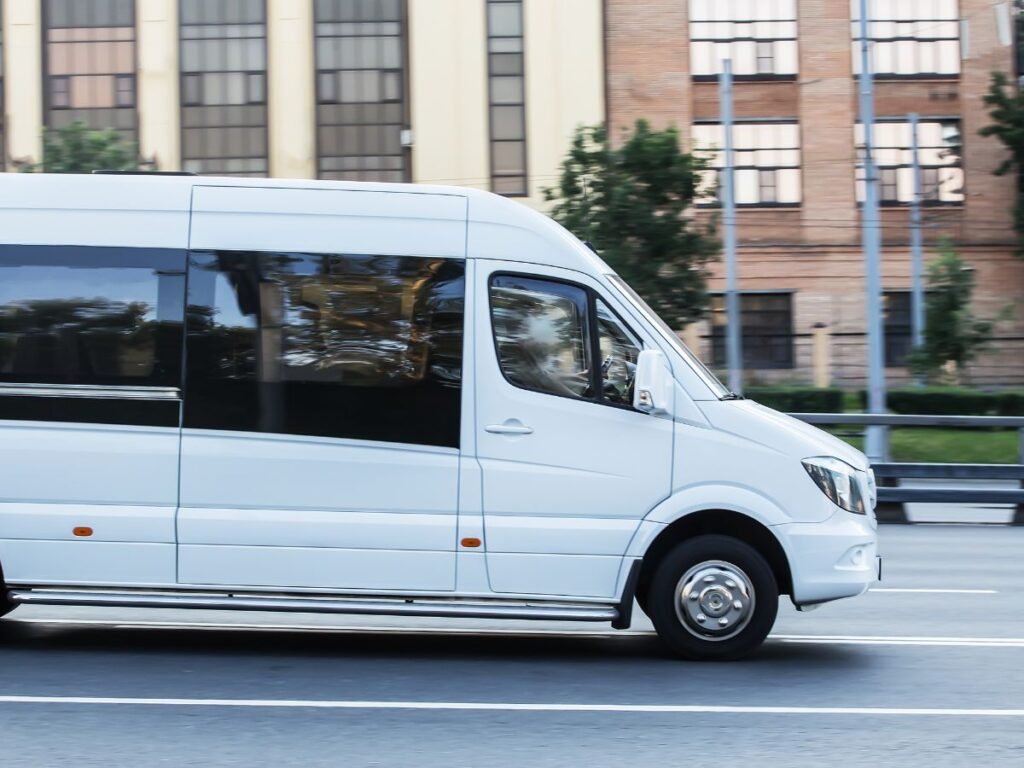
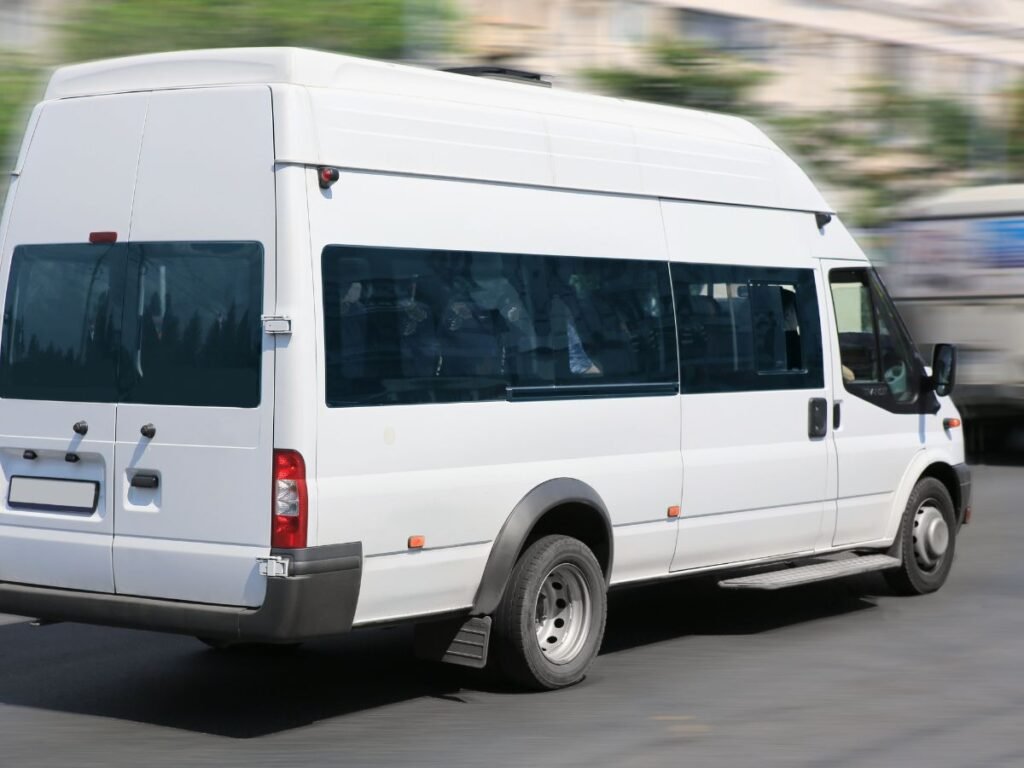
A minibus is legally defined as a vehicle designed to carry between 9 and 16 passengers in addition to the driver. Common examples include 12-, 14-, or 16-seater Ford Transit minibuses often used for Gatwick Airport transfers, schools, and group trips.
The key factor is passenger capacity, not just vehicle size.
If your vehicle has more than 8 passenger seats, it’s classed as a minibus under UK law.
What Licence Category Covers a Minibus?
There are two main licence categories that apply:
1. Category B (Standard Car Licence)
With a Category B licence, you can drive:
- A vehicle up to 3.5 tonnes (3,500kg)
- Up to 8 passenger seats
This means a 9-seater or larger typically falls outside your normal car licence limits — unless special exemptions apply (explained below).
2. Category D1 (Minibus Licence)
If you want to drive a vehicle with:
- 9–16 passenger seats, and
- A maximum length of 8 metres,
…you’ll need a Category D1 licence.
This licence allows you to operate most standard minibuses, whether for personal use, community transport, or professional driving such as a Gatwick Airport Minibus Taxi Service.
When You Can Drive a Minibus Without D1
You may be able to drive a minibus without D1 if you meet all of the following:
- You’re over 21 years old
- You’ve held your car licence (category B) for at least 2 years
- You’re driving for social purposes (not commercial)
- The minibus has no more than 16 passenger seats
- The vehicle’s maximum weight (MAM) is under 3.5 tonnes (or 4.25 tonnes with adaptations)
This rule often applies to voluntary groups, schools, or non-commercial trips.
If you’re charging passengers, however, you must hold the D1 licence.
How to Check If You Have D1 on Your Licence
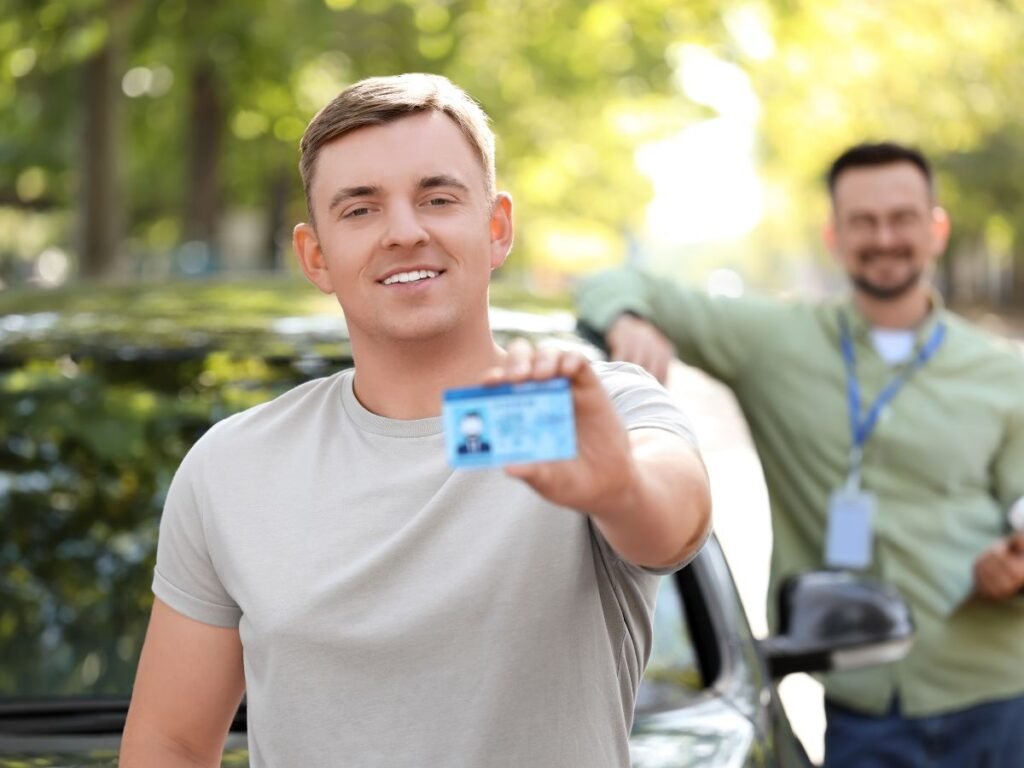
You can verify this easily by checking your photocard driving licence.
Look at the back of your licence if you see “D1” listed under entitlements, you’re legally allowed to drive a minibus (within weight and passenger limits).
If you passed your test before 1 January 1997, you probably already have D1 automatically.
If you passed after that date, you’ll need to apply and take the D1 test.
Step-by-Step: How to Get a D1 Minibus Licence
If you don’t already have D1, here’s how to obtain it:
- Apply for a D1 provisional licence (form D2 from the DVLA).
- Undergo a medical exam and submit a D4 form completed by your GP.
- Pass the theory test (multiple-choice + hazard perception).
- Take a practical D1 driving test with an approved instructor.
- Apply for your full licence once passed.
If you plan to drive professionally (for hire or reward), you’ll also need a Driver CPC qualification.
Driving a Minibus for Hire or Reward
If you’re transporting paying passengers for example, as part of a Gatwick Minibus Hire or airport transfer service — you’ll need:
- A D1 (or D) licence
- A PSV (Public Service Vehicle) Operator’s Licence
- Possibly Driver CPC certification
Operating without these can result in fines, licence suspension, or invalid insurance.
Penalties for Driving Without the Correct Licence
Driving a minibus without the proper entitlement can lead to:
- Up to £1,000 fine
- 3–6 penalty points
- Vehicle impoundment
- Insurance invalidation
Always confirm your entitlement before taking passengers.
Summary: Which Licence Do You Need to Drive a Minibus in the UK
| Licence Type | Seats | Use | Example |
|---|---|---|---|
| Category B | Up to 8 | Personal | Car, MPV |
| Category D1 | 9–16 | Commercial/Group | Minibus |
| Category D | 17+ | Bus | Coach or shuttle |
To sum up:
If your minibus carries 9–16 passengers, check whether your licence includes D1. If not, apply through the DVLA before driving.
Understanding these rules not only keeps you compliant but ensures every journey especially your Gatwick Airport Minibus trip runs smoothly and safely.