Understanding Minibus Categories & UK Driving Rules
Navigating the rules of the road can sometimes feel complicated, especially when it comes to larger vehicles. Many people are unsure what legally qualifies as a minibus in the UK, leading to confusion about who can drive one and what kind of licence is needed. The answer isn’t always straightforward, as different rules apply depending on the vehicle’s size, its intended use, and the number of passengers it carries.
Getting it wrong can lead to serious legal consequences, so it’s essential to understand the basics. This guide breaks down everything you need to know about minibus categories, driving licences, and UK regulations. We’ll clarify the legal definitions, explain the difference between private and commercial use, and help you determine if you’re qualified to get behind the wheel.
What Is a Minibus? The Official UK Definition
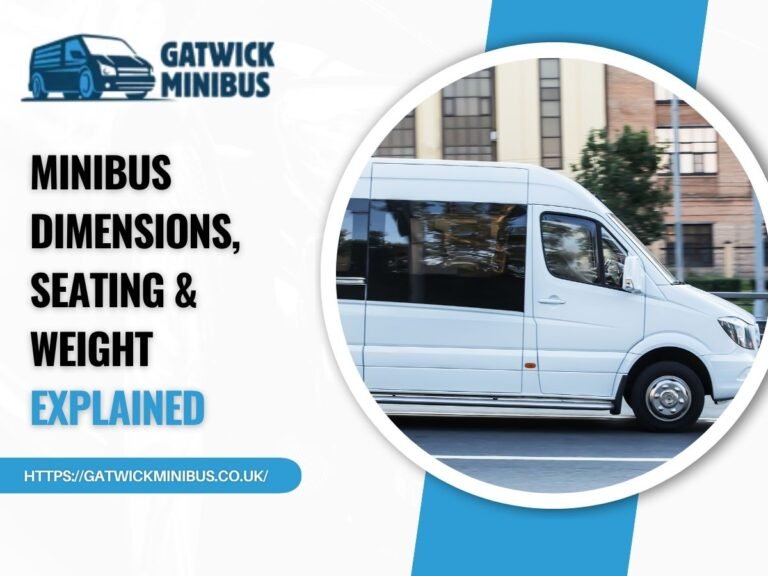
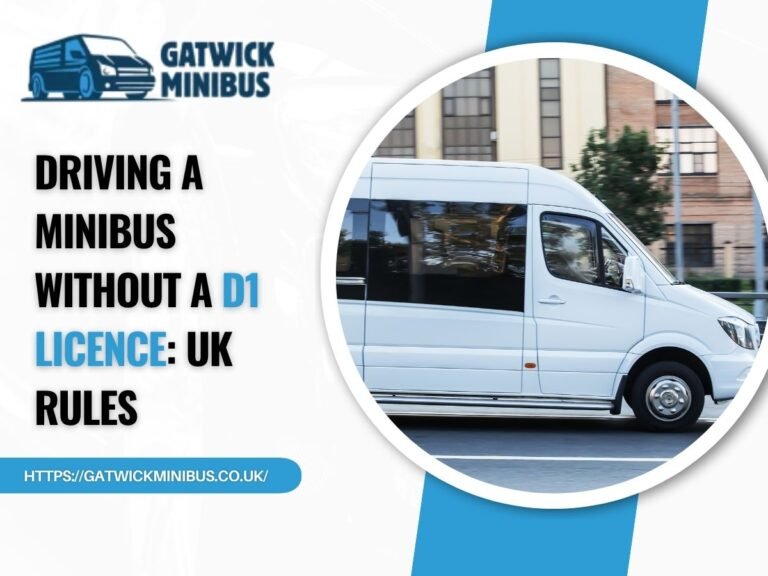
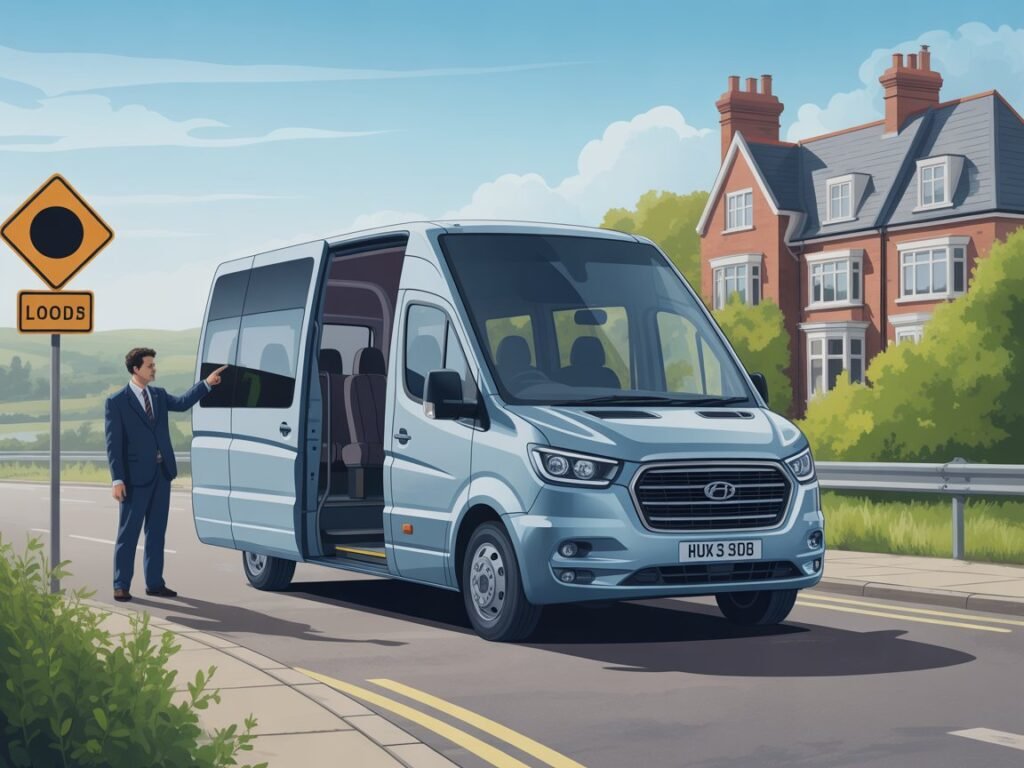
So, what is a minibus, legally speaking? In the UK, a minibus is defined as a vehicle designed to carry between 9 and 16 passengers, not including the driver. This places it in a unique category, sitting between a standard car or MPV (which can carry up to 8 passengers) and a full-size bus or coach (which carries 17 or more).
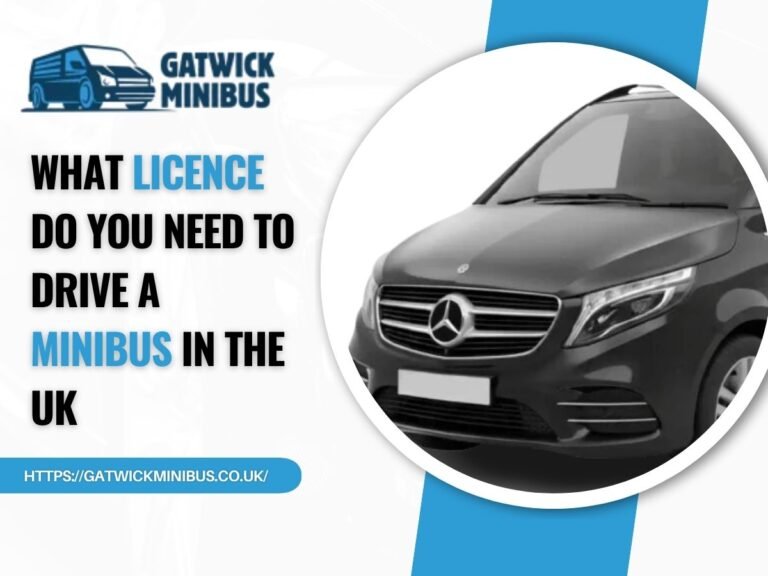
When you picture a minibus, you might think of popular models like the Ford Transit Custom Tourneo or the Mercedes-Benz Sprinter. These vehicles are common sights on UK roads, used for everything from school trips and airport transfers to corporate events and private family outings. They offer a practical solution for groups too large for a single car but not large enough to require a full coach.
The key distinction lies in that passenger count. A vehicle with 8 passenger seats is just a large car. Add one more seat, making it a 9-passenger vehicle, and it officially becomes a minibus in the eyes of the law, bringing with it a different set of rules and licence requirements.
What Does “Minibus” Mean in UK Law?
To fully understand the regulations, we need to look at the terminology used by the Driver and Vehicle Licensing Agency (DVLA). The DVLA classifies any vehicle designed to transport passengers as a Passenger Carrying Vehicle (PCV). This is a broad category that includes everything from a small minibus to a double-decker bus.
A minibus is legally considered a small PCV. However, the type of licence you need to drive one isn’t always a PCV licence. The rules depend on factors like the vehicle’s weight, when you passed your driving test, and whether you are driving for profit. For example, some drivers can operate a minibus on a standard Category B car licence under specific conditions, while others will need a Category D1 entitlement. This flexibility is what often causes confusion.
Understanding the term PCV is the first step in decoding the various DVLA minibus categories and UK vehicle licence types. It helps explain why the rules aren’t as simple as “one licence fits all.”
Private vs. Public Minibus Use
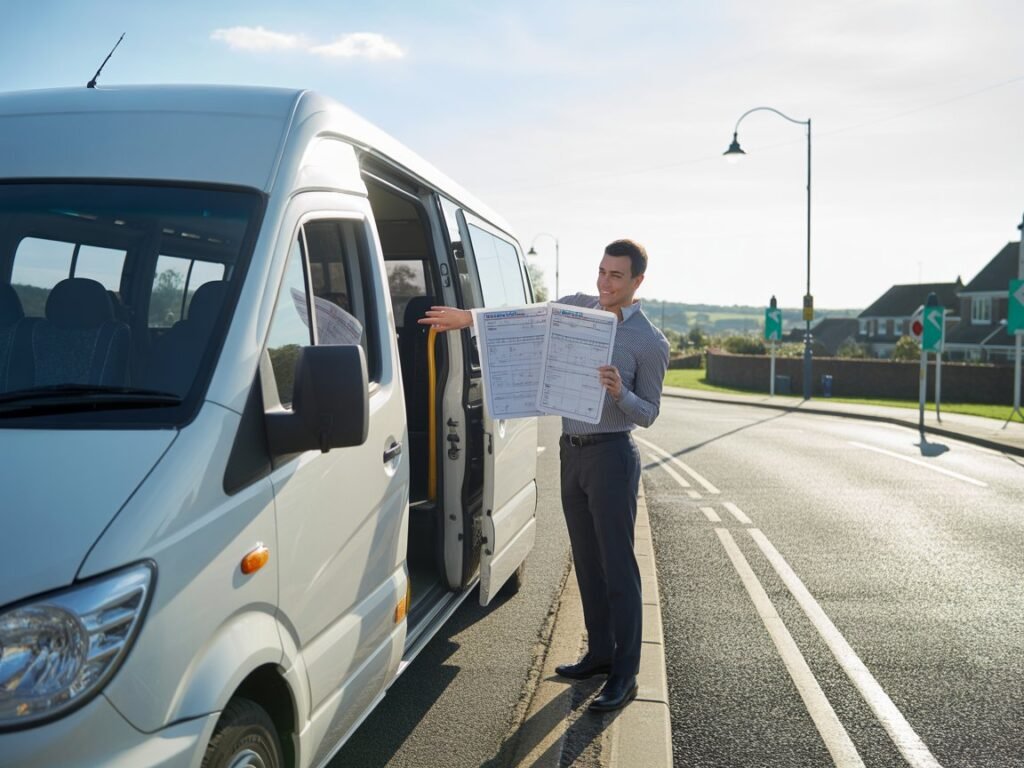
Another critical factor in determining who can drive a minibus is its purpose. The law makes a clear distinction between driving a minibus for private or voluntary purposes versus driving it for commercial gain.
Private and Community Use
Private use refers to driving a minibus without receiving any payment from the passengers. This includes activities like:
- Family holidays or day trips.
- Transporting members of a club (e.g., a local sports team or a scout group).
- Community transport for non-profit organisations.
For schools, charities, and other non-profit bodies involved in community transport, special permits are often required. Section 19 and Section 22 permits allow these organisations to operate their minibuses without needing a full public service vehicle (PSV) operator’s licence, provided they are not running the service for profit. Drivers often undertake MiDAS training (Minibus Driver Awareness Scheme) to ensure they meet safety standards.
Public or Commercial Use
This category, often called “hire or reward,” applies whenever a passenger pays a fare to travel in the minibus. This includes services like:
- Airport shuttle services.
- Private hire taxi services.
- Corporate event transport.
- Tour operations.
Driving a minibus for commercial purposes requires a professional driving licence and a PSV operator’s licence. The rules are much stricter because the driver and company are being paid for a public service, which brings a higher level of responsibility for passenger safety. This is a key difference between minibus hire vs ownership; when you hire a vehicle with a driver, the company handles all these complex legal requirements for you.
UK Vehicle Licence Categories Explained
Your driving licence holds the key to what you are legally allowed to drive. The codes and categories on the back of your photocard licence specify each type of vehicle. Here’s a breakdown of the relevant ones for minibuses.
- Category B (Car Licence): This is the standard driving licence for cars, which also allows you to drive a vehicle with up to 8 passenger seats. Under certain conditions, you may also be able to drive a minibus of up to 16 seats on a Category B licence, but strict rules apply (see the next section).
- Category D1 (Minibus Licence): This is the specific entitlement for driving a minibus. A D1 licence allows you to drive a vehicle with up to 16 passenger seats for non-commercial purposes. Many drivers who passed their test before 1 January 1997 have this entitlement automatically.
- PCV/PSV Licence (Category D): A full Category D licence is required to drive a bus or coach with more than 16 passenger seats. For professional minibus drivers operating on a “hire or reward” basis, a PCV licence and a Driver Certificate of Professional Competence (CPC) are mandatory.
- MiDAS Training: While not a formal licence category, the Minibus Driver Awareness Scheme (MiDAS) is a nationally recognised standard for assessing and training minibus drivers. It is often a requirement for volunteers and staff driving for schools, colleges, and other community organisations under a Section 19 permit.
Who Can Drive a Minibus (and When)?
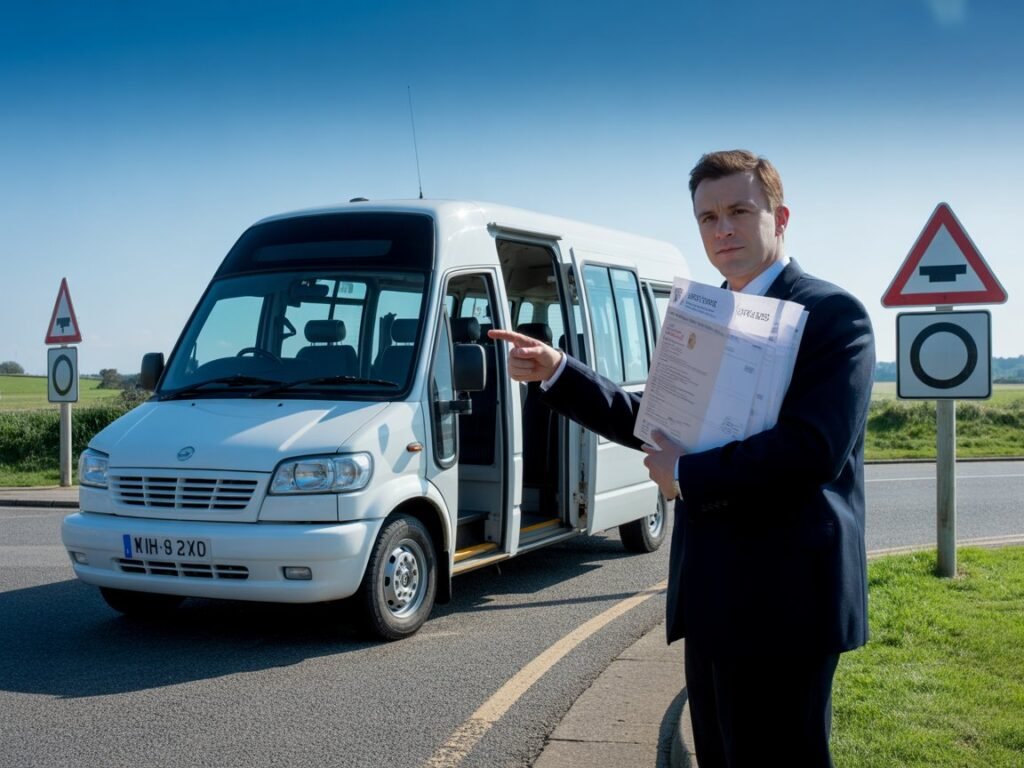
So, the big question remains: can anyone drive a minibus? The answer is a conditional “yes,” depending on your licence, age, and the circumstances of the journey.
Drivers Who Passed Their Test Before 1 January 1997
If you obtained your Category B (car) licence before this date, you generally have an automatic entitlement to drive a minibus, known as “acquired rights” or D1 entitlement. This allows you to drive a minibus with up to 16 passenger seats, but not for hire or reward. You must still meet specific medical standards, and this entitlement expires when you reach the age of 70, after which you must pass a medical assessment to retain it.
Drivers Who Passed Their Test On or After 1 January 1997
If you passed your test after this cut-off date, you do not have automatic D1 entitlement. However, you can still drive a minibus in the UK on your car licence if you meet all of the following conditions:
- You are 21 or older.
- You have held your Category B licence for at least two years.
- The minibus is being used for social purposes by a non-commercial body (e.g., a charity or community group).
- You are driving on a voluntary basis (you can be reimbursed for out-of-pocket expenses, but not paid a wage).
- The maximum weight of the minibus is not more than 3.5 tonnes (or 4.25 tonnes if it includes specialised equipment for disabled passengers, such as a wheelchair lift).
If you do not meet all of these conditions, you will need to apply for a provisional D1 licence and pass the relevant theory and practical tests to add the D1 entitlement to your licence.
Driving a Minibus Commercially
If you want to drive a minibus for hire or reward—meaning you are paid to do so you must obtain a full PCV licence and a Driver CPC qualification. This involves more rigorous training and medical checks to ensure you meet the high standards required for professional passenger transport.
Understanding the different types of minibuses and licence rules helps you stay safe and legal on UK roads. The regulations are in place to protect passengers and other road users, ensuring that drivers are properly qualified for the vehicle they are operating.
For most people planning a group trip, navigating these rules can be an unnecessary complication. Whether you need a 9-seater for a family outing or a full 17-seater for a corporate event, Gatwick Minibus Hire offers fully licensed vehicles with professional drivers, so you can travel stress-free anywhere in the UK.