Driving a Minibus Without a D1 Licence: UK Rules & Exemptions
Thinking about driving a minibus for a group trip, school event, or community outing? You might be wondering, “Do I need a D1 licence to drive a minibus?” It’s a common question, and the answer isn’t always straightforward. The rules can seem complex, especially concerning vehicle size, driver age, and the purpose of the journey.
A D1 licence is a specific category on your UK driving licence that permits you to drive passenger-carrying vehicles with 9 to 16 passenger seats. Many people are unsure if they automatically have this entitlement or if they need to take a separate test. This guide will clarify the minibus driving licence rules in the UK, helping you understand when you can drive a minibus without D1 licence.
What Does D1 Entitlement Actually Mean?
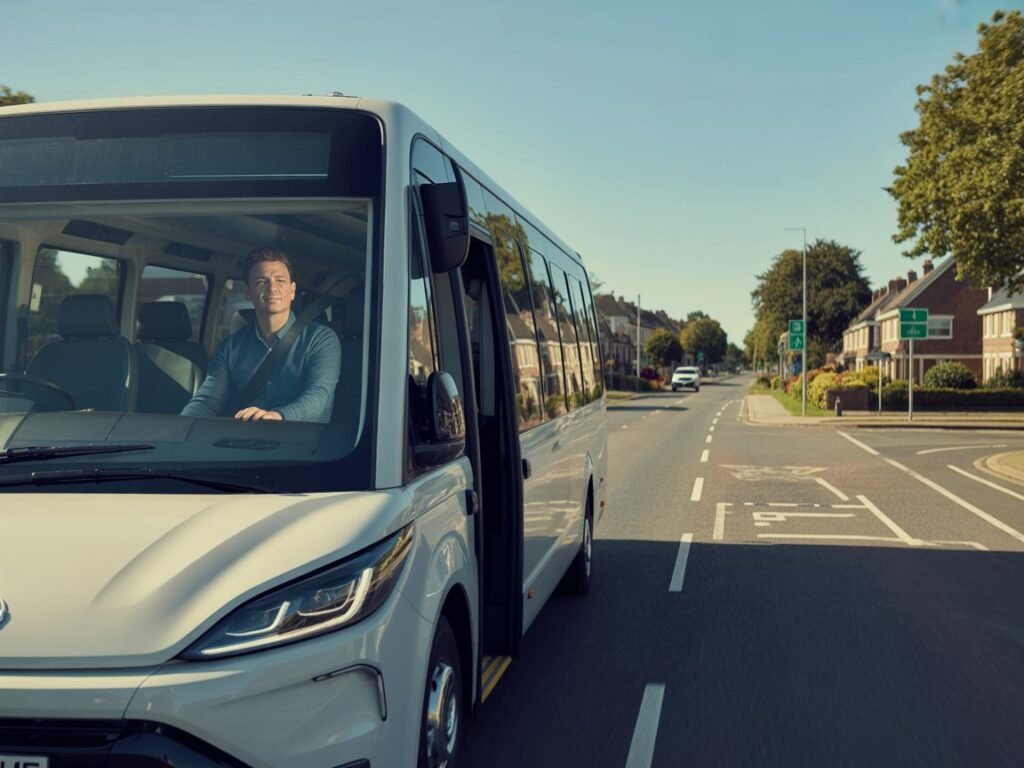
A D1 licence is a crucial part of your DVLA driving entitlement if you plan to drive a minibus commercially. So, what does it cover?
- Vehicles: It allows you to drive vehicles with between 9 and 16 passenger seats.
- Length: The minibus can be up to 8 metres long.
- Towing: You can also tow a trailer up to 750kg.
The key factor determining if you have this entitlement often comes down to when you passed your driving test.
Drivers Who Passed Before 1 January 1997
If you passed your car driving test (category B) before 1 January 1997, you usually have grandfather rights. This means you likely have D1 entitlement automatically included on your licence. However, there are conditions. This entitlement is for non-commercial use, meaning you cannot drive the minibus for hire or reward. It remains on your licence until it expires, typically when you turn 70.
Drivers Who Passed On or After 1 January 1997
If you passed your test on or after this date, you do not have automatic D1 entitlement. Your standard category B licence only permits you to drive vehicles with up to 8 passenger seats. To drive a larger 9 to 16-seater minibus, you would typically need to pass a separate theory and practical test to get the D1 category added to your licence. But don’t worry, there are specific exemptions that might still allow you to get behind the wheel.
Who Can Drive a Minibus Without a D1 Licence?
So, can you drive a minibus without D1 entitlement? Yes, under certain conditions. The government allows for exemptions to help volunteers and non-profit organisations. If you passed your test after 1 January 1997, you may be able to drive a minibus if all the following conditions are met:
- You are 21 or older.
- You have held a full category B (car) driving licence for at least 2 years.
- You are driving on a voluntary basis and not for hire or reward.
- The minibus is used for social purposes by a non-commercial body.
- The maximum weight of the minibus is not more than 3.5 tonnes (or 4.25 tonnes if it includes specialised equipment for disabled passengers, such as a wheelchair lift).
- You are not towing a trailer.
These rules are designed to make it easier for community groups, clubs, and charities to function. It is important to note that payment for driving, beyond covering your direct out-of-pocket costs, is not allowed under this exemption.
Understanding Section 19 & 22 Permits To Drive a Minibus Without D1 Licence
For many organisations like schools and charities, the Section 19 Permit is essential. So, can I drive a school minibus without D1? The permit system is often the key.
What is a Section 19 Permit?
A Section 19 Permit allows certain organisations to operate transport services for their members without needing a full public service vehicle (PSV) operator’s licence. These are issued to non-profit bodies concerned with:
- Education
- Religion
- Social welfare
- Recreation
- Other activities of benefit to the community
This community transport permit enables schools, charities, scout groups, and sports clubs to transport their members. A driver operating under a Section 19 Permit may not need a D1 licence, provided they meet the exemption conditions mentioned earlier (over 21, held licence for 2 years, etc.). However, the organisation holding the permit is legally responsible for ensuring driver and vehicle safety.
What about Section 22 Permits?
Section 22 Permits are less common. They apply to community bus services, which are local bus services run by volunteers for the general public on a non-profit basis. The rules for these are more stringent and often still require drivers to have D1 entitlement.
Insurance and Safety Implications | Even if you can drive a Minibus without a D1 Licence
Driving a minibus carries significant responsibility. Passenger vehicle regulations are strict for a reason. Even if you can drive a minibus without a D1 licence, you must ensure you are properly insured.
Check Your Insurance Policy
Standard car insurance will not cover you for driving a minibus. The organisation you are driving for must have a specific minibus insurance policy in place. Before driving, confirm with them that their insurance covers drivers without D1 entitlement under the volunteer exemption. Driving without valid insurance is a serious offence.
Vehicle Safety and Legal Duties
The driver is always responsible for the vehicle’s roadworthiness. Before any journey, you should perform a walk-around check, looking at:
- Tyres (pressure and tread)
- Lights and indicators
- Brakes
- Emergency exits
- Seatbelts
The organisation you are driving for also has a legal duty to ensure the vehicle is regularly maintained and safe.
Can I Hire a Minibus Without D1?
This is a frequent question. Can I hire a minibus without D1 entitlement? The answer depends on the hire company and your circumstances.
Some rental companies will allow you to hire a 9 to 16-seater minibus on a standard category B licence, but only if you meet the exemption criteria. You will need to sign a declaration stating you are not using it for hire or reward. Many companies, however, will insist on a D1 licence for their own insurance and liability reasons, especially for larger 16-seater minibuses.
The simplest option for many is to hire a minibus with a professional driver. This removes all the stress of licences, insurance, and regulations, allowing your group to relax and enjoy the trip.
Conclusion: Driving a Minibus Without a D1 Licence
The minibus driving licence rules in the UK are clear but have important exceptions. If you passed your test before 1997, you likely have D1 entitlement for non-commercial use. If you passed after, you can drive a minibus without a D1 licence only if you meet the strict criteria for volunteer drivers under a non-commercial body, often governed by a Section 19 Permit.
Remember to always check the vehicle’s weight, confirm you are covered by insurance, and never accept payment for driving. For schools, charities, and community groups, understanding these rules is vital.
If you need a reliable Gatwick minibus hire service, we’ve got you covered. Whether it’s for airport transfers, schools, or group travel, Gatwick Minibus Hire offers professional drivers and comfortable vehicles to suit your needs. Get a quote today.